



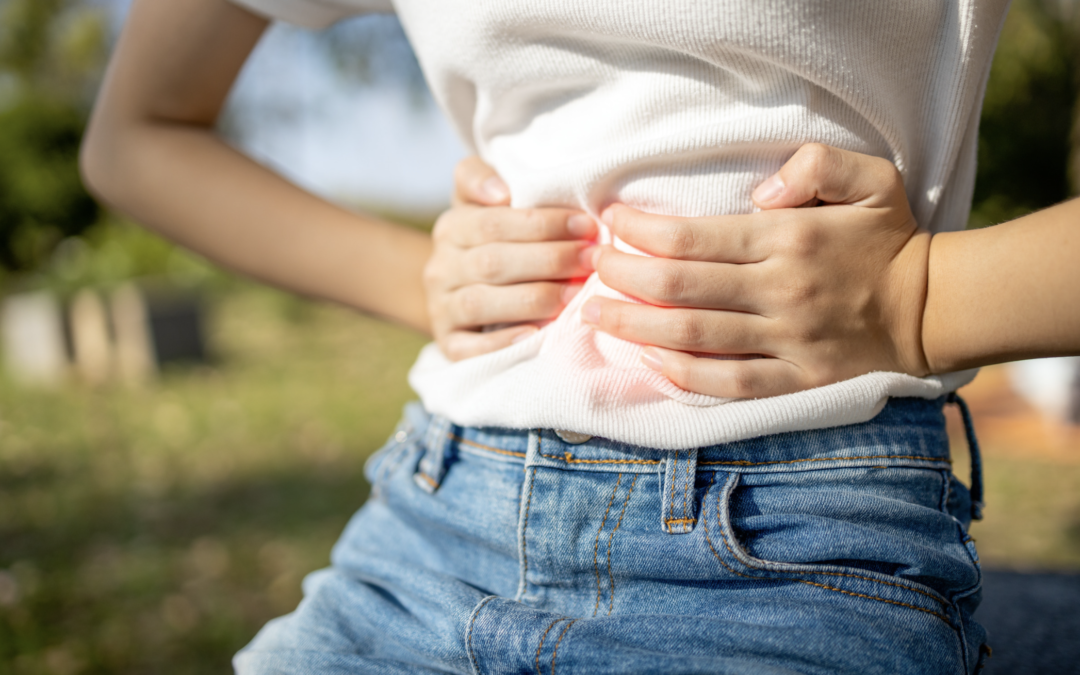
Acupuncture: A Natural Solution to Improve Fertility and Relieve Menstrual Pain
Interview with Jessica, a patient at BioMed MTC, an acupuncture clinic in Geneva.
My name is Jessica (not my real name), I am a 31-year-old woman and I have found a natural and effective solution to improve my fertility and relieve my menstrual pain.
With this testimony, I share my experience of the BioMed MTC clinic, of acupuncture as well as Dr. Shi, who helped me regain balance and look to the future with confidence.
The clinic approached me to share my case to help others, which I do willingly, openly and anonymously to maintain my privacy.
Introducing Jessica and her challenges
I'm almost 32 years old; I'm of Swiss and Spanish origin. I've always lived in Geneva. I own my own company. It's a very stressful job, as it is for all entrepreneurs.
I was looking for an effective solution to improve my fertility.
I don't have children yet, and that's what brought me to BioMed MTC: my husband and I have been trying to conceive for a year and a half. It's more complicated than for other people.
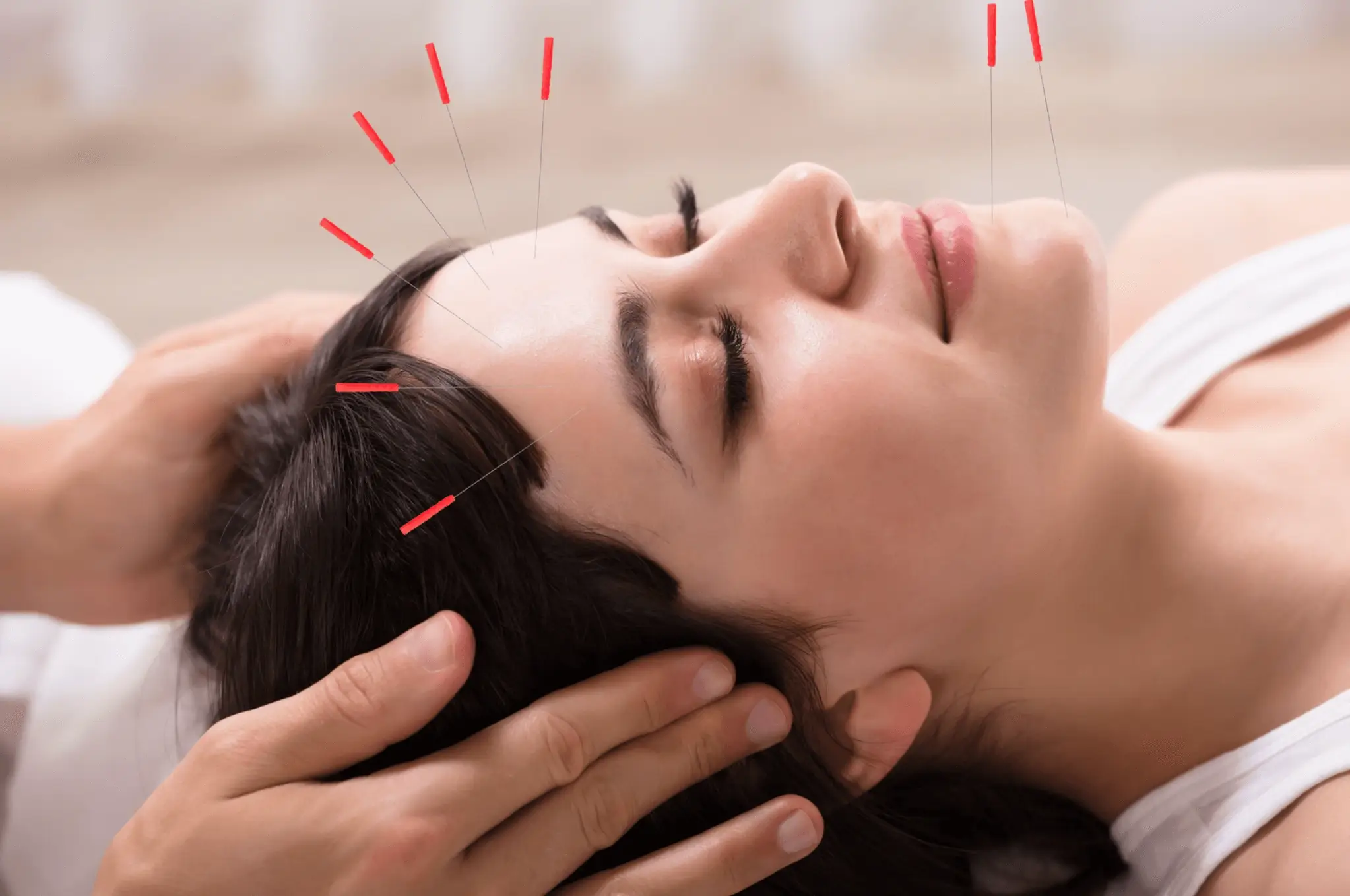
My gynecologist recommended acupuncture to me.
I have tried several things to activate my fertility without success. I am followed by a gynecologist who suggested me acupuncture. I didn't know who to turn to, and a friend who was already a patient at BioMed MTC (a patient for weight issues) asked the clinic if they treated fertility, which they do. I am now followed by Dr. Shi, and sometimes her brother Dr. Shi.
The discovery of acupuncture and the BioMed MTC clinic
Quand la doctoresse Shi m’a fait tirer la langue, elle m’a observé et elle a tout de suite dit que j’étais une personne très stressée.
Before each acupuncture session, I have a one-hour massage with therapist Oana Budica.
The benefits of acupuncture on my painful periods
I have always had a very regular and very painful menstrual cycle. Since I started acupuncture I no longer have painful periods at all. It's amazing, I didn't even know it was possible to have periods without pain.
All the women around me had painful periods, so I thought it was the norm. Before acupuncture I had to take painkillers, my back hurt, my head hurt, I was tired, in a terrible mood, I was the stereotypical woman who has her period. I don't even feel them anymore! Now I'm pretty cool.
I always have fairly short periods, two or three days. I think acupuncture has helped make them a little longer. My first period after starting acupuncture was a bit misleading because I thought I'd stop having periods. I did, but without pain. I couldn't believe it.

The positive impact of acupuncture on my overall well-being
Periods are never a pleasant time, and depending on the intensity, they can be very painful. Initially, I didn't come to the BioMed MTC clinic for my painful periods. Now that I'm pain-free, I understand how much easier it makes life.
I've been on treatment for two months now, and the first results came very quickly. Two sessions after starting treatment, people were saying to me, "Oh, you look more composed, calmer, more serene." I was definitely feeling better.
How acupuncture improved my daily quality of life
It's so nice to no longer suffer or fear periods. In many women's minds, periods equal pain, and in the end, that's not necessarily the case.
I never stopped working during my painful periods, but At night I slept badly, sometimes I didn't even sleep at all. I woke up in a sweat.

Take the contraceptive pill to reduce pain
My mother always had quite severe pain. Many gynecologists directly recommend pills to reduce pain. These are discussions we often had with my mother, who is against contraception. So I never took pills. A doctor recommended I take the contraceptive pill for pain, but I refused. I have always used male contraceptives, including during my long-term relationships.
There are many girls who, from a very young age, from the age of 13, take the pill to avoid periods and pain. I don't think it's the best approach, and it's sad. We realize too late how the pills change our hormones, just like when we want to have a child. It takes time to eliminate and rebalance all of that. There are natural alternatives to avoid these pills and that's pretty good. There's no comparison, really.
Comprehensive care at the BioMed MTC clinic
Dr. Shi can be very direct sometimes. The first time I saw her, she told me directly and frankly that I would burn out in 3 months if I continued like this. It's true that my morale was beginning to weigh, of not being able to have children. She told me: But how can you welcome a child into such a stressed body?
I've always worked in a fast-paced way. With clients, we're at 200 km/h: they're wealthy, very demanding, they want everything and immediately, even if it's not possible. You have to meet their demands one way or another. When I talk about my desire to have children with my friends, they all brush me off with "it'll be fine" and "don't worry." Even my parents don't know about my desire to have a child: they also have very demanding jobs and I don't want to bring them additional stress. In the end, I really appreciated Dr. Shi's frankness, which made me realize things and motivated me to face things..
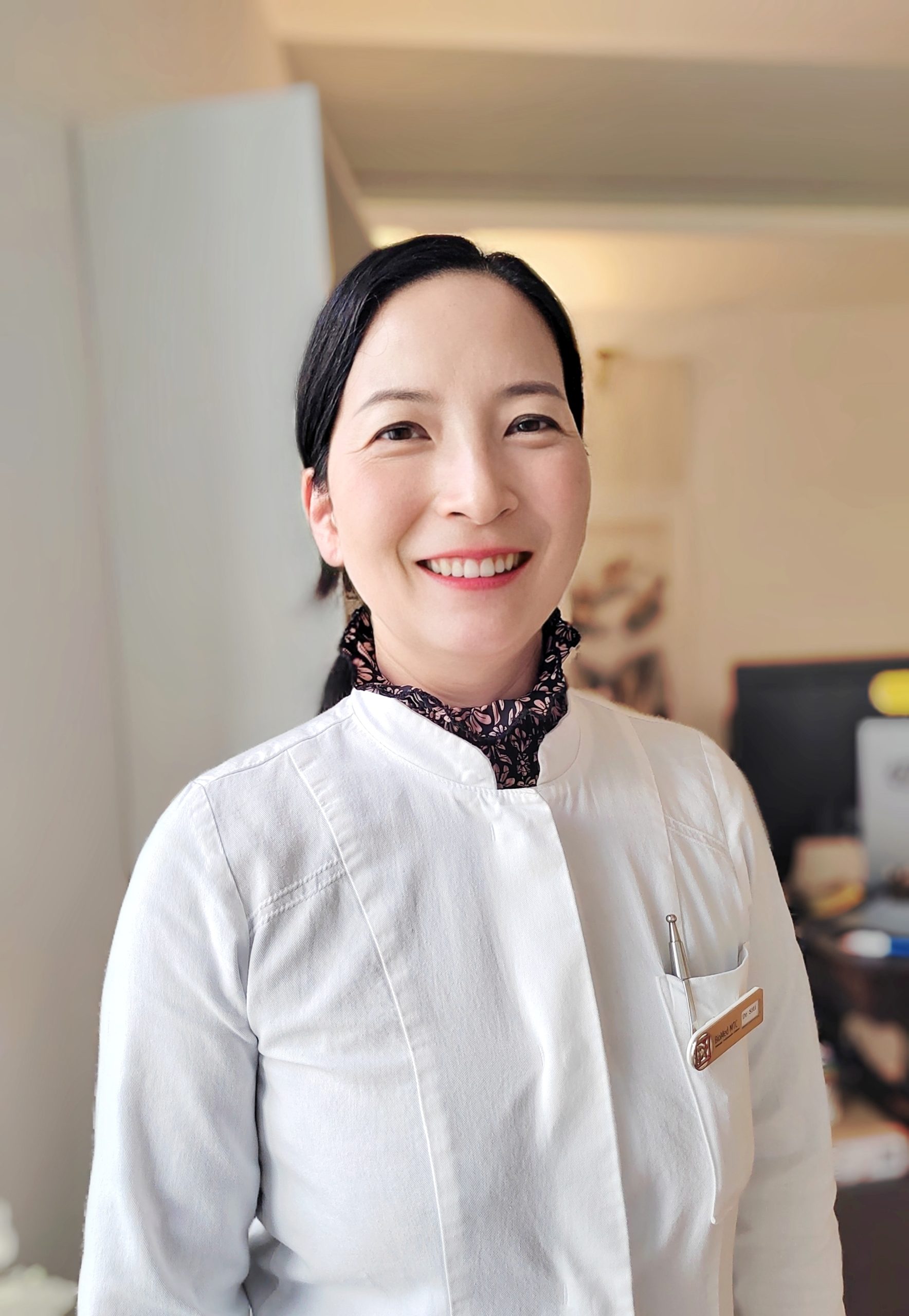
The combination of acupuncture and massage for a complete treatment
Dr. Shi explained to me that she needed to take time for myself. Coming once a week for an acupuncture session with massage included takes me an hour and a half, not including travel from outside Geneva. This takes up a lot of time from my busy schedule, but I accept that there are priorities in life.
The importance of a balanced lifestyle and nutrition for better fertility
In addition to acupuncture and massage, I received herbal teas to drink. I was taught to eat well in the morning, something I wasn't doing very well, by eating more protein. I eat eggs and salmon, for example. These are fairly simple rules, but they work. There are still a lot of things. around acupuncture and massages: a better lifestyle.
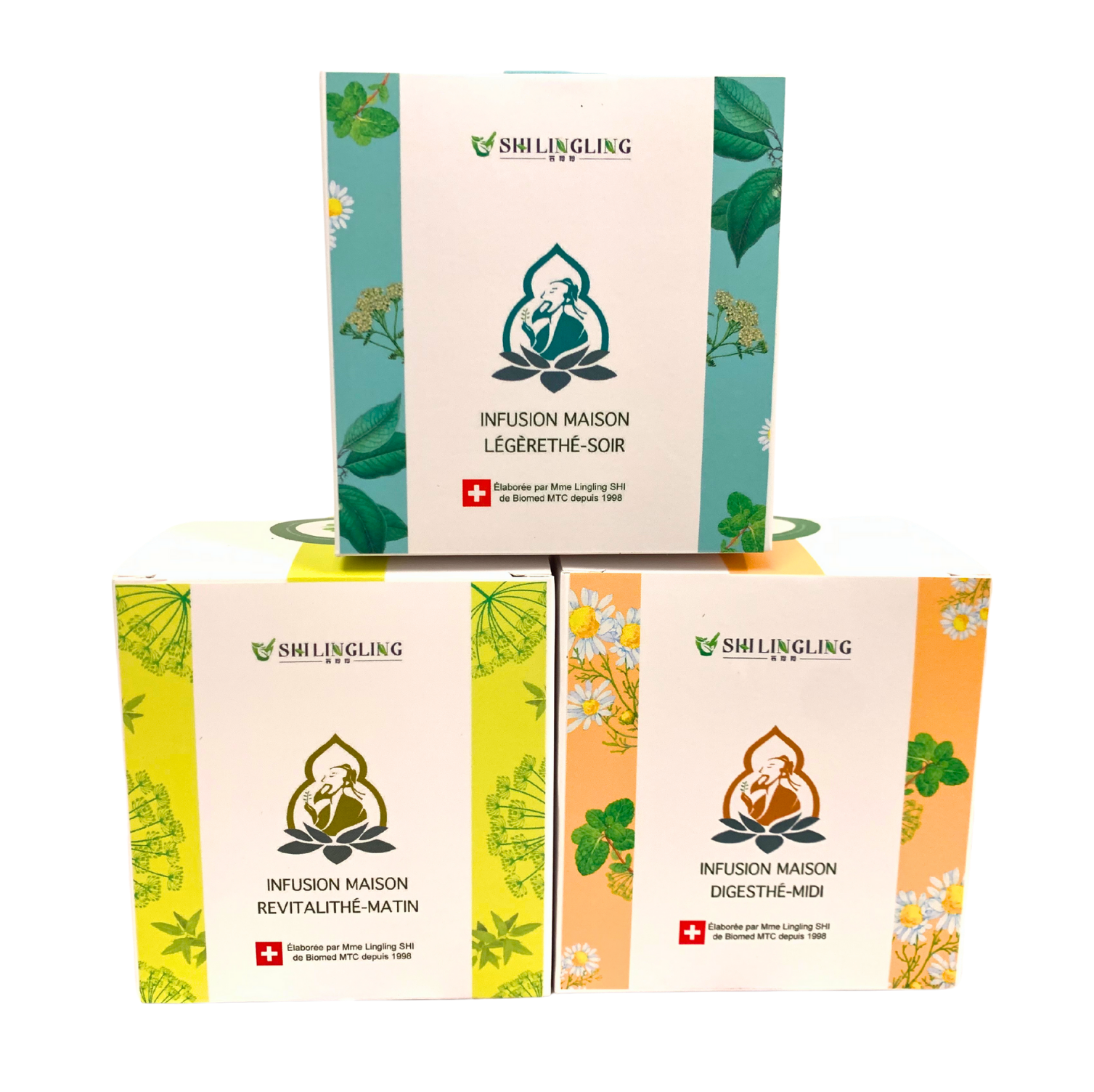
Initially I received three herbal teas: morning, noon and evening. These are herbal teas adapted for Europeans, one for vitality, another for digestion and the third for sleep.
Dr. Shi finally gave me some very targeted Chinese herbal teas, including the organ rejuvenator. Right now, I drink herbal teas five times a day.
Physical activity to clear my head
I was doing a lot of physical activity, too much in fact, and I needed to cut down. Before acupuncture I needed to go to the gym very frequently to calm down, Otherwise I would come home on edge. I would go to the gym to clear my mind.
Since I started acupuncture, I go to the gym less, in moderation, because I no longer need to clear my head.
Coordination with my specialist gynecologist for optimal monitoring
While I'm practicing traditional Chinese medicine, I'm being monitored by my gynecologist who specializes in fertility. We set deadlines with him; we're currently giving ourselves until the end of August to see how things progress. He is very happy that I am doing acupuncture and that it is working well.
I feel much more confident now that I am being followed by Dr. Shi and my gynecologist.
A promising future thanks to acupuncture and Chinese medicine
Since starting treatment at BioMed MTC, There are many things that have changed in a short time, in terms of stress and pain, among other things. I am confident for the future. I feel like we're going in the right direction.
Thanks to Jessica (not her real name) for sharing her story, which may help others with a similar problem. Thanks from the BioMed MTC team.
BioMed MTC therapist's opinion:
How can acupuncture solve infertility?
Patient Jessica consulted BioMed MTC for her infertility problem. Premenstrual syndrome has been observed as a cause that can negatively affect her fertility. Although Jessica's treatment approach was holistic, therapists initially focused on resolving painful periods with acupuncture.
Why do we have painful periods?
Premenstrual syndrome (PMS) is a clinical syndrome that results in symptoms related to the menstrual cycle and which can disrupt women's lives. Symptoms typically begin five to 11 days before menstruation and cease when menstruation begins, or shortly after (Backstorm 1991; Dickerson 2004).
Is it common to have menstrual pain?
Premenstrual syndrome is common, with 95% of women reporting one or more premenstrual symptoms during their reproductive life (Hylan 1999). Symptoms are often mild, but in some women they can be severe enough to significantly affect daily activities. Approximately 5 to 8% of women experience severe PMS. ; most of these women also meet the criteria for the associated condition of premenstrual dysphoric disorder (PMDD) (Kimberly 2008), a severe form of PMS with prominent psychiatric symptoms (…): marked depressed mood, anxiety and emotional lability, as well as a decreased interest in activities of daily living” (source: Révue Médicale Suisse).
What are the symptoms of painful periods?
More than 200 premenstrual symptoms have been recorded and can be classified into three broad categories:
- behavioral symptoms, including fatigue, insomnia, dizziness, changes in sexual interest, food cravings or overeating;
- psychological symptoms, including irritability, anger, depressed mood, crying and tearfulness, anxiety, tension, mood swings, lack of concentration, confusion, forgetfulness, restlessness, loneliness, decreased self-esteem, tension;
- physical symptoms, including headaches, breast tenderness and swelling, backache, abdominal pain and bloating, weight gain, swelling of the extremities, fluid retention, nausea, muscle and joint pain (Dickerson 2004; Reid 1986).
How does acupuncture treat premenstrual syndrome?
According to the principles of Traditional Chinese Medicine, PMS is often linked to disharmony in the liver and spleen systems, as well as imbalances in Qi and blood circulation. This disharmony can lead to symptoms such as irritability, mood swings, breast tenderness, bloating, fatigue, and headaches.
Treatment for PMS involves identifying the underlying pattern of disharmony specific to each individual:
Stagnation of the Liver's Qi: This pattern is characterized by emotional symptoms such as irritability, mood swings, and breast tenderness. There may also be physical symptoms such as headaches and abdominal bloating.
Liver Qi and Blood Stagnation: In this pattern, there is a combination of Liver Qi stagnation and stagnant blood circulation. Symptoms may include severe cramps, clots in the menstrual flow, and emotional disturbances.
Spleen Qi Deficiency: This pattern involves fatigue, bloating, and digestive issues. Women with this pattern may experience water retention and weight gain before their period.
Generally speaking, women are more likely to experience conditions related to blood deficiency or stagnation. Premenstrual syndrome, infertility, and menopausal syndrome are just a few examples of conditions women may experience related to blood disorders.
Massage therapy and herbal medicine to treat menstrual pain
Some common acupuncture points our doctors use for painful periods:
- Rate 6 Yinlingquan (R6): Located about four finger widths above the inner ankle bone, on the inside of the lower leg. It is believed to help regulate the menstrual cycle, relieve cramps, and reduce irritability.
- Liver 3 Taichong (F3): Found on the top of the foot, between the first and second toes. It is believed to help balance emotions, ease breast tenderness, and reduce irritability and mood swings.
- Qihai Design 6 Vessel (VC6): Located about two finger widths below the navel. It is believed to help regulate hormones, relieve menstrual pain, and improve overall energy and well-being.
- Pericardium 6 Neiguan (P6): Located on the inner side of the forearm, about three finger widths above the wrist crease. It is believed to help reduce nausea, calm the mind, and relieve breast tenderness and mood swings.
- Kidney 3 Taixi (R3): Found on the inside of the ankle, midway between the Achilles tendon and the inner ankle bone, it is believed to help balance hormones, relieve lower abdominal pain, and reduce fatigue and emotional disturbances.
How to relieve pain with a good diet?
Diet can play an important role in managing PMS symptoms. Here are some dietary tips that may help relieve PMS:
Increase calcium intake: Adequate calcium intake has been associated with a reduction in PMS symptoms. Good sources of calcium include dairy products, green leafy vegetables, almonds, and fortified plant-based milks.
Include foods rich in magnesium: Magnesium can help relieve PMS symptoms such as bloating, breast tenderness, and mood swings. Incorporate magnesium-rich foods like leafy green vegetables, legumes, whole grains, nuts, and seeds into your diet.
Choose complex carbohydrates: Opt for complex carbohydrates like whole grains (brown rice, quinoa, whole wheat bread), which have a lower impact on blood sugar and can help stabilize mood and energy levels.
Reduce salt and caffeine intake: Excessive salt consumption can contribute to water retention and bloating. Limit your intake of processed foods and try to minimize added salt. Additionally, high caffeine consumption can exacerbate PMS symptoms.
Do you suffer from painful periods?
Our team of therapists can help you relieve your pain.
Don't wait any longer to take care of yourself!