




Stomach ache: Understand the irritable intestine
Interview with Matilda (assumed name), patient at Biomed MTC
I have always had stomach problems, more or less strong. It accentuated with the covid, which I did not say to the therapist Shi because I imagined that she had to suspect it: we all fell ill and we were all weakened.
What is the irritable intestine?
Digestion problems have always followed me since my childhood. As with all the little Germans, the stool routine was placed but I did not work well. I understood years later my problem, which is called today “the irritable intestine”. Mine has always been irritable, very irritable.
Find the quality of life
I lived in suffering for too long years. I tried a thousand things to solve my problem: psychotherapy, yoga, I stopped smoking, I eat better, I walk in kind three times a week. It is discouraging when you are not well, especially since I am no longer very young, almost 70 years already. To have a certain quality of life the rest of my days, I had to find a solution that could help me concretely. This was the case with acupuncture treatment.

My general practitioner offers me acupuncture
Following blood tests, my general practitioner realized that I was missing iron. At first, she prescribed supplements that I took in the form of bites once a week, which worsened the situation. I had very strong stomach pain: it was clear that one of my organs did not work well.
I lived with this deficiency problem for a year without worrying too much, because I am part of the generation that does not listen to. I still improved my diet by making as much effort as possible, and that was not enough. In the spring of this year, I returned to see my therapist. I was very bad, including psychically; I was starting to have anxiety attacks.
My general practitioner offered me different solutions and she threw in the conversation: “Why not tryacupuncture?”My first reaction was very negative; I prefer to take a simple and effective medication. My condition being so difficult, I still called the traditional Chinese medicine clinic Biomed MTC recommended by my doctor, who received me quickly. I had nothing to lose.

Photo credit: Lauren Terrigeol
A “typical” woman who discovers traditional Chinese medicine
I was born in Germany and I live in Geneva. I am the mother of two great children, I worked a lot in my life, and I am divorced: a typical woman. In the 1980s I practiced in public relations for multinationals. After having my children and a divorce, I wanted to devote more time to them: I replaced my work in multinational with a more flexible job as a librarian at the University of Geneva. I gained availability and decreased my stress.
The impact of stress on the irritable intestine: cause or consequence?
My chronic stomach pain may be due to stress, in any case in part. It is an infernal and endless circle: stress creates stomach ache, and belly evil creates stress.I also have allergies of all kinds, with pollen and probably food. Until I was 60 I had little effort in terms of food because I had a very full life. It's hard to eat fresh vegetables every day with a busy agenda. I was looking for a health solution to remedy my intense pain that appeared at times, and because I am a perfectionist: I want to live at best!Traditional Chinese medicine has proven to be an effective solution.
Management at Biomed MTC: “We keep the right end! »»
I have been in treatment for about two months with a sessionacupunctureper week. I was received by the Lingling Shi therapist and there was a good alchemy between us immediately.I felt better very quickly after my first sessions. I imagine that the healing process will take its time until complete remission, but I understood from the start that we held “the right end”.
For me people of Asian origin are quite mysterious, yet the Lingling Shi therapist is very open, natural in his approach, which is pleasant and reassuring. The cabinet is very elegant and “cozy” (welcoming). The first thing the therapist asked me was to draw the tongue at the sight of which she was able to confirm inflammation or infections. I did not think that she could read so many things to the simple observation of my tongue, especially since I had brushed my teeth!
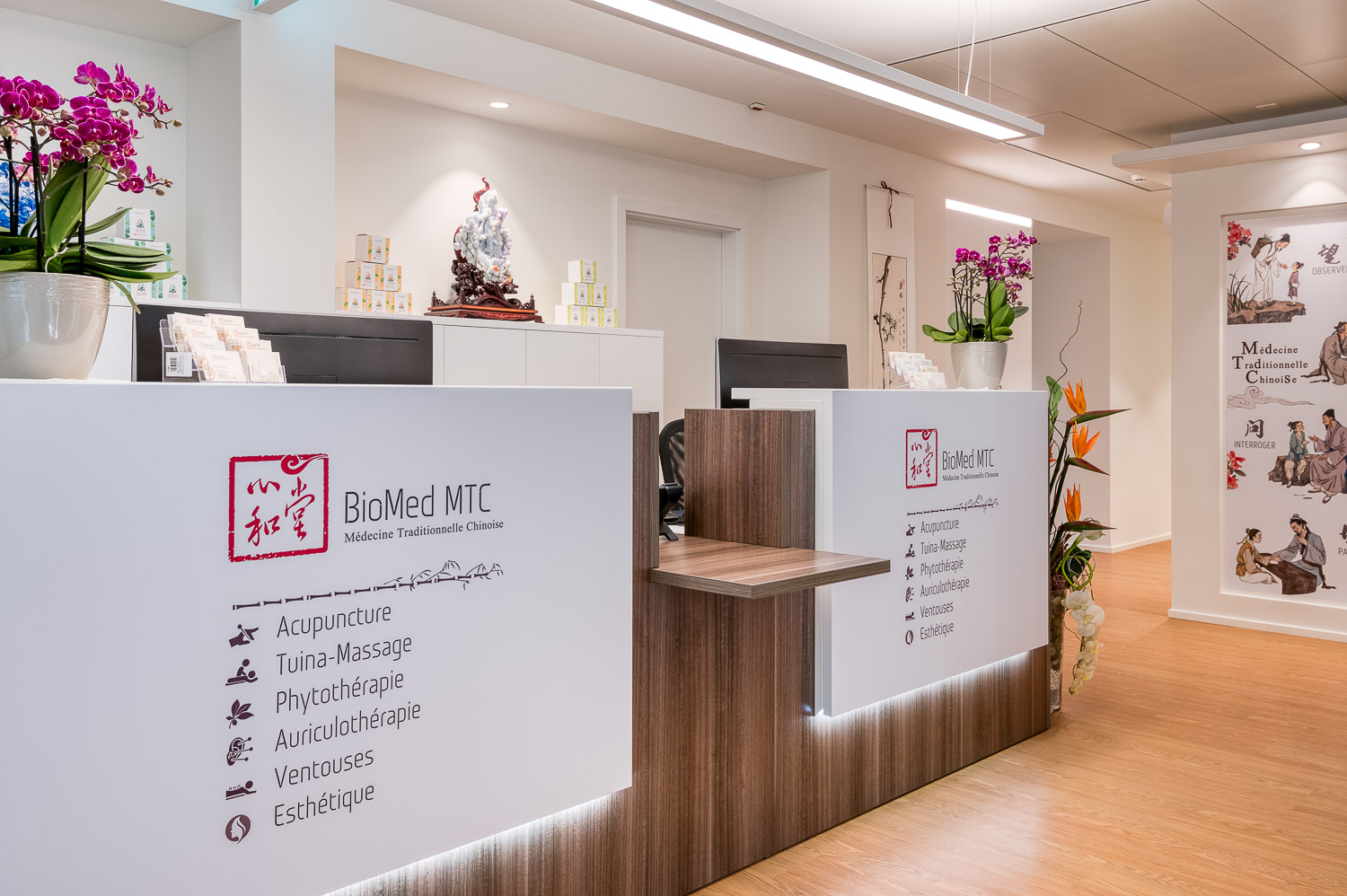
Photo credit: Lauren Terrigeol
Acupuncture treatment
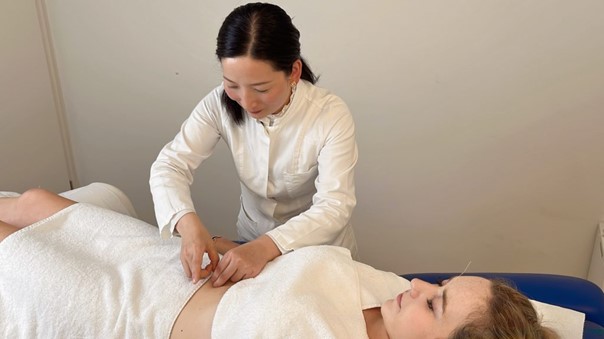
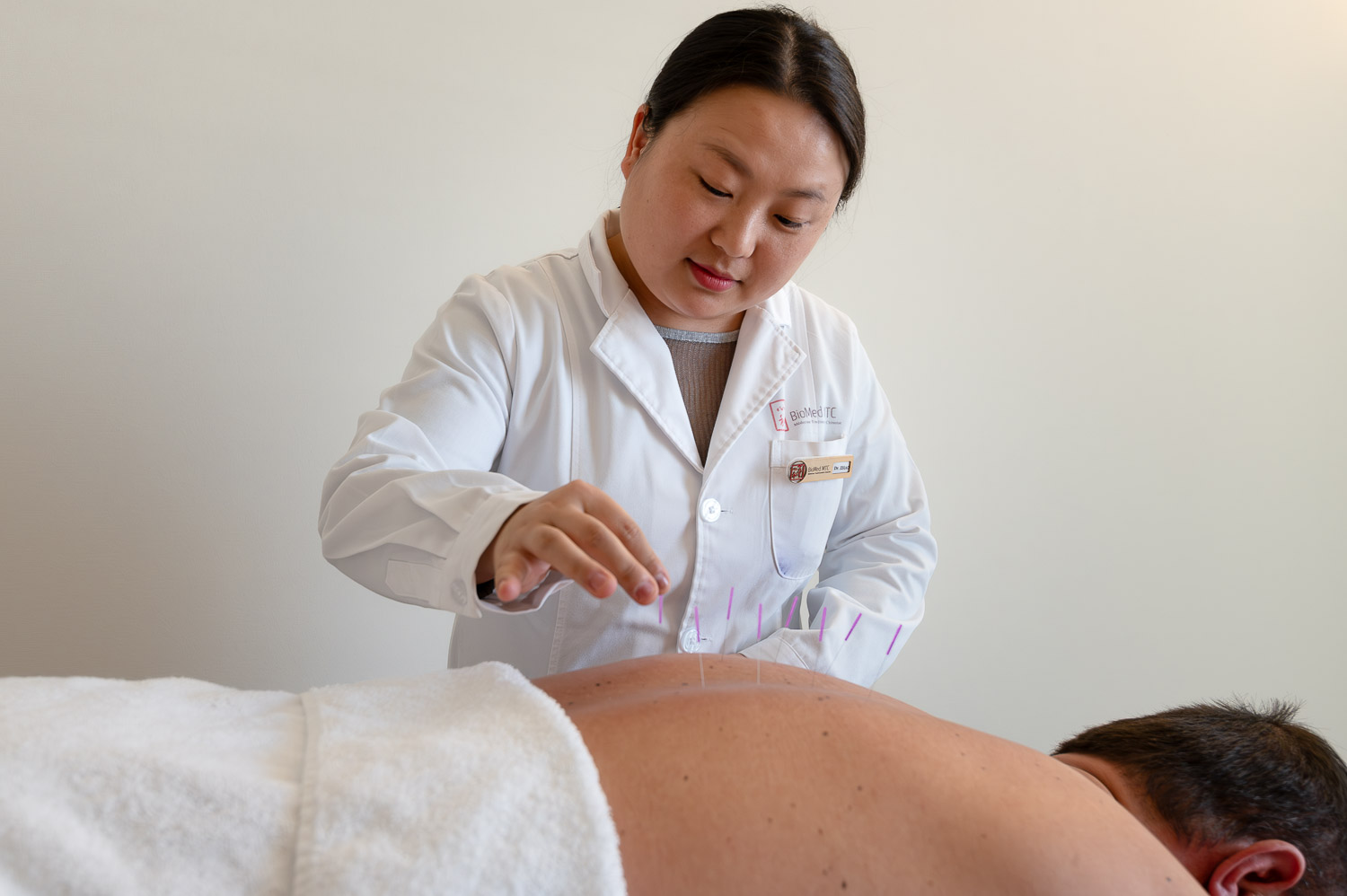
I explained my problems to her and the Lingling Shi therapist told me that she could stop them because she knew them well. She stung me with the needlesacupuncture, without pain.After the first session I already felt better. It was perhaps also due to having found an address to take care of me, but whatever: I was better. The following weeks of treatment, I had ups and downs, and it seems completely normal to me.
The care with the herbal teas
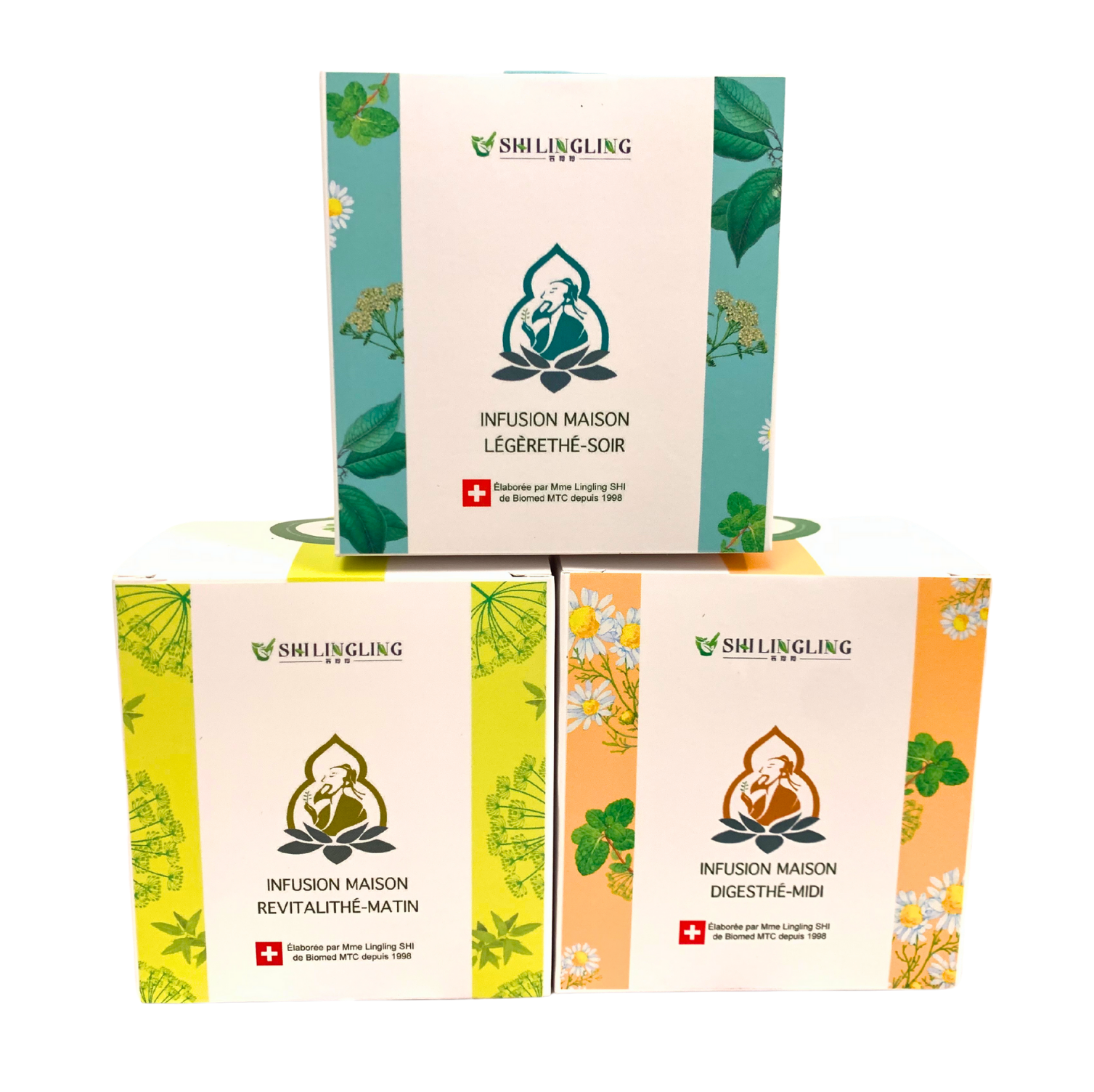
Between acupuncture sessions,I receivedThree herbal teasAt first: one for the morning, one at noon and a third in the evening for digestion. I felt like I always had mucus so the therapist replaced the three with only one to take twice a day. I went to take it once a day because I had stomach pain. I want to recover as quickly as possible, but gently. Currently I have less pain in the esophagus and diaphragm which was completely tense before starting the therapy. I felt like I was suffocating and it was very unpleasant. It was not only the intestine that was bad to the point.
Have you improved your sleep?
I have never had too many sleep problems, although I do not sleep whole nights because of an interspersed sleep. It never concerned me: I never took medication to sleep better, and I was not looking for improvement with acupuncture. However, it is true that I have more dreams since the start of treatment, and sometimes nightmares too! Maybe well -buried emotions are released. Things are happening, it's undeniable.
If you had to share advice?
I can only adviseacupuncture.Among the many therapeutic practices that I have tried, it is the one that worked best. Personally I am not afraid of needles or medical treatments. We feel if we can trust someone. I realize that there are a lot of people of all ages with intestine and digestion problems, which make anxiety attacks. You have to find a balance for the body to calm down.
Thanks to Matilda (assumed name) for her testimony which can help other people with a similar problem. Gratitude of the Biomed MTC team.
What is the irritable intestine?
The exact cause of irritable intestine syndrome (SII) is not known.The factors that seem to play a role include:
Muscle contractions in the intestine:The walls of the intestines are lined with layers of muscles that contract when they move food in your digestive tract. Stronger contractions that last longer than usual can cause gases, bloating and diarrhea. Low contractions can slow down the passage of food and cause hard and dry stool.
Nervous system:Problems with the nerves of your digestive system can cause discomfort when your abdomen stretches due to gases or stools. Mally coordinated signals between the brain and the intestines can lead your body to react excessively to the changes that generally occur in the digestive process. This can cause pain, diarrhea or constipation. Serious infections. The IBS can develop after a serious diarrhea caused by a bacteria or a virus. This is called gastroenteritis. The IBS could also be associated with a surplus of bacteria in the intestines (bacterial proliferation).
Stress at the beginning of life:People exposed to stressful events, especially in childhood, tend to have more SII symptoms.
Changes in intestinal microbes:Examples include changes in bacteria, fungis and viruses, which generally reside in the intestines and play a key role in health. Research indicates that microbes in people with SII can differ from those of people who are not affected.

How does Chinese medicine treat the irritable intestine?
In Chinese medicine, the causes of digestive problems can vary considerably and can be due to many disharmony patterns of different elements and organ systems. The most common patterns of disharmony between the organs that relate to the SII are:
Life deficiency with stagnation of the liver Qi:The symptoms of this condition include diarrhea, mucus in stool, abdominal pain, cramps, gases, bloating, irritability and depression with many heavy sighs.
Insufficient spleen with insufficiency of the stomach:Presents symptoms such as liquid stools, a feeling of satiety and distension after eating, a lack of appetite, a pale complexion and fatigue.
Insufficient spleen with insufficiency of kidneys: Symptoms include diarrhea, especially in the morning, dotted food in the stool, abdomen pain, lower back and knees, with a feeling of cold.

Pengfei Shi therapist:Double master in traditional Chinese medicine practical at the Biomed MTC Geneva clinic. It is at the origin of a treatment method which offers meditation as a center and medicine as a means.
Acupuncture and phytotherapy are effective in the treatment of irritable intestine syndrome
In a study on the effects ofacupunctureOn SII patients, the conclusion was that acupuncture may be more effective than a treatment for conventional medicine such as PEG 4000 or Pinavarium bromide for the treatment of IBS, with effects that can last up to 12 weeks.In this research, needles have been used to stimulate acupuncture points Baihui (VG 20), Yintang (VG29), Taichong (F3), Zusanli (E36), Sanyinjiao (R6), Tianshu (E25) and Shangjuxu (E37) in dorsal decubitus. Small manipulations of equal force involving spinning, lifting and pushing were implemented every 10 minutes to cause the “deqi” (literal translation: obtaining energy) a feeling of pain, numbness, heaviness and distension. The needles were retained for 30 minutes. The acupuncture treatment was carried out once every two days, 3 times a week for 6 weeks (total 18 sessions); This was considered an ideal treatment diet. These pilot studies have suggested that the same acupuncture treatment for patients with SII-C (constipation) or SII-D (diarrhea) had satisfactory effectiveness in terms of symptom control. (1)
The Chinese plant formula Huoxiang Zhengqi was used in a test carried out in 11 hospitals, each in different Chinese cities. The trial aimed to assess whether the Huoxiang Zhengqi was beneficial for patients with SII.
The results of Lu and Fang studies indicate that Huoxiang Zhengqi has pharmacological effects such as spasmolysis, analgesia, regulation of gastrointestinal motility and improving the protection of the intestinal mucosa. (2)
1. PEI L, Geng H, Guo J, Yang G, Wang L, Shen R, Xia S, Ding M, Feng H, Lu J, Li J, Liu L, Shu Y, Fang X, Wu X, Wang X, Weng S, Ju L, Chen X, Shen H, Sun J. Effect of Acupuncture in Patients With Irritritrian Bowel Syndrome: Mayo Clin Proc. 2020 Aug; 95 (8): 1671-1683. DOI: 10.1016/J.MAYOCP.2020.01.042. EPUB 2020 Jun 1. PMID: 32499125.
2. Guo, X., Xuan, M., Zheng, H. et al. The Chinese Herbal Formula Huoxiang Zhengqi for Diarrhea-Predominant Irritable Bowel Syndrome (Chairs): A Study Protocol for a Double-Blinded Randomized Controlled Trial. Trials 22, 491 (2021). https://doi.org/10.1186/s13063-021-05444-w
Acupuncture
Phytotherapy

Our therapists advise you
Dietary (see our dietary recipes)It is very important that the patient is aware, educated and informed about the various foods that trigger and strengthen the inflammation of the gastrointestinal tract.Our patients will be advised on specific diets adapted to their needs. The diet of Chinese medicine has resisted the test of time and it can be a very useful tool for dealing with our modern digestive health problems.
Since ancient times, the Chinese wise men have learned to manage these digestive symptoms with simple but effective homemade food. A very pleasant and traditional example is a special Chinese bun steamed (Ba Zhen Gao) which helps patients with SII, diarrhea, chronic dysentery and colitis. The recipe contained in a course medium presented by the Healthcare Medical Institute contains Shan Yao powder (the main ingredient), Fu Ling, Dang Shen, Yi Yi Ren, Qian Shi, Bai Bian Dou and Lian Zi. Mix the powder with rice or wheat flour and add water to make a dough. Possibly add Dang Shen and Fu Ling powder. Sugar can be added to give taste. Make a brioche, bread or steam pastry (3). This helps to calm the inflammation of the gastrointestinal tract and protect the stomach from excess humidity and heat. Most of these herbs are also used in phytotherapy formulas that deal with various digestive problems.
On the psychological level,It is not clear how stress, anxiety and irritable intestine syndrome are linked or which comes first; Studies show that they can occur together. When we undergo mental stress or anxiety, our digestive system reacts, as we all know.
The intestine-end axis is a bidirectional communication network which links enteric and central nervous systems. This network is not only anatomical, but it also extends to the endocrine, humoral, metabolic and immune communication routes.
Le système nerveux autonome, l’axe hypothalamo-hypophyso-surrénal (HPA) et les nerfs du tractus gastro-intestinal (GI) relient tous l’intestin et le cerveau, permettant au cerveau d’influencer les activités intestinales, y compris l’activité des cellules effectrices immunitaires fonctionnelles et l’intestin pour influencer l’humeur, la cognition et la santé mentale (4).
4. Appleton J. The Gut-Brain Axis: Influence of Microbiota on Mood and Mental Health. Integr Med (enclosure). 2018 Aug; 17 (4): 28-32. PMID: 31043907; PMCID: PMC6469458.
What can you do for yourself to reduce the symptoms of the irritable intestine?
Exercise: Walking, running, swimming and other physical activities can reduce stress and depression. They also help your intestines to contract in a more normal way instead of reacting excessively.
Body-spirit exercises:Meditation, relaxation breathing, yoga, tai chi and qi gong can all trigger your body relaxation response, and therefore help release the spasms caused by nervousness and stress (watch the video of Qi-Gong Medical: 8 pieces of brocade).
Stress reduction and meditation course based on mindfulness: Full meditation helps us to be more aware of our thoughts and how they affect our body. Regularly engaging in moments of mindfulness also reduces stress and improves concentration.
Relaxation exercises:Relaxation techniques such as deep breathing can help you find your calm. You can also learn more about visualization and hypnosis methods that our Biomed MTC team has specially created for you and your well-being (watch the hypnosis video "Positive thoughts and Chinese medicine").
The sessionsacupunctureregular Allow the intestines to harmonize, often the pains come from tensions that make the snowball effect, and themselves become a source of tension.
Do you suffer from the symptoms of the irritable intestine?
Our team of therapists can relieve you thanks to acupuncture!