


 Bel-Air | Thônex


Premenstrual syndrome (PMS):
Symptoms, causes and natural solutions in Chinese medicine
In Traditional Chinese Medicine (TCM), the premenstrual syndrome (PMS) It is not considered an inevitable fate to which one simply has to get used to each month. Symptoms that appear before menstruation can be a sign of an energy imbalance that deserves to be addressed holistically.
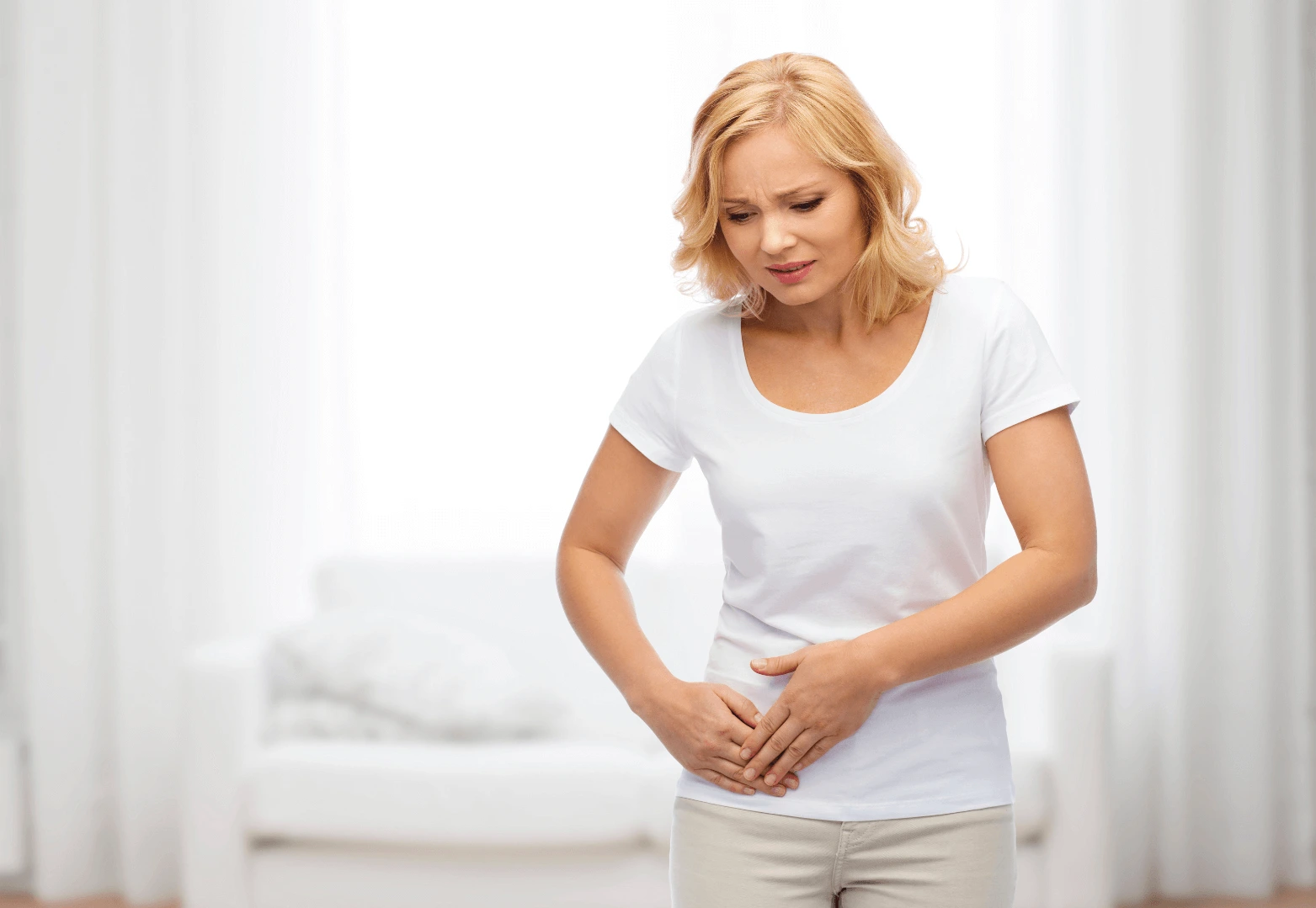
Irritability, tender breasts, bloating, fatigue, headaches, sleep disturbances, cravings or abdominal pain: premenstrual syndrome can take very different forms from one woman to another.
According to Chinese medicine, these symptoms can be associated with poor circulation of the QiThis can be due to stagnation of Liver Qi, an imbalance of Blood, or a weakness in certain energy systems. The goal of Traditional Chinese Medicine (TCM) is to identify each person's specific constitution in order to offer personalized support.
What is premenstrual syndrome (PMS)?

Premenstrual syndrome refers to a set of physical and emotional symptoms that usually occur in the days leading up to menstruation and subside with or shortly after its arrival.
PMS can manifest itself through:
- Increased irritability or emotional sensitivity
- Mood swings
- Significant fatigue
- Pain or tension in the breasts
- Bloating and a feeling of a swollen stomach
- Headaches
- Abdominal or pelvic pain
- Specific food cravings
- Sleep disorders
- A feeling of heavy legs or water retention
- A drop in concentration
- A decrease in libido
The intensity of symptoms varies considerably. In some women, they remain moderate. In others, they can disrupt professional, social, or personal life.
What are the symptoms?
What are the most frequent PMS symptoms?
Premenstrual syndrome generally involves manifestations physical, emotional and behavioral.
Physical symptoms
The most common physical symptoms include:
- Bloating and digestive problems
- Swollen or painful breasts
- Headaches
- Fatigue
- Abdominal or lower back pain
- Water retention
- Changes in appetite
- Sleep disorders
These symptoms can appear a few days before menstruation and then disappear, with varying intensity depending on the cycle.
Emotional symptoms
PMS can also strongly influence emotional balance:
- Irritability
- Nervousness
- Anxiety
- Passing sadness
- Hypersensitivity
- Difficulty concentrating
- Significant mood swings
When these symptoms become particularly intense and significantly impair quality of life, it may be necessary to investigate a more serious premenstrual disorder, such as... premenstrual dysphoric disorder (PMDD).
Why does premenstrual syndrome occur?
The mechanisms of PMS are complex and can be influenced by hormonal variations in the menstrual cycle, individual sensitivity to these variations, as well as various lifestyle factors.
Stress, lack of sleep, an unbalanced diet, or chronic fatigue can also contribute to worsening certain symptoms.
In traditional Chinese medicine, the analysis is different: symptoms are considered to be manifestations of a global imbalance.
Premenstrual syndrome according to traditional Chinese medicine
In Traditional Chinese Medicine (TCM), the menstrual cycle is closely linked to the harmonious circulation of the Qi and Blood, as well as the energetic functioning of the Liver, Spleen and Kidneys.
Before menstruation, the physiological changes of the cycle can make certain imbalances more visible.
A stagnation of Liver QiFor example, it may be associated with irritability, breast tenderness, a feeling of bloating, or emotional fluctuations.
A weakness of the Missed According to TCM, it can be associated with fatigue, bloating, or a tendency to retain water.
Other energy profiles may also be involved. This is why two women with the same PMS symptoms will not necessarily receive the same treatment in Chinese medicine.
Acupuncture to relieve premenstrual syndrome
L'acupuncture is one of the central approaches of traditional Chinese medicine to support disorders related to the menstrual cycle.
The treatment is tailored to each person's energy profile and may aim, in particular, to:
- Promote better Qi circulation
- Providing support for menstrual and premenstrual pain
- Helping to reduce tension and stress
- Promote more restful sleep
- Supporting emotional fluctuations
- Supporting overall balance before rules
The goal is not just to treat an isolated symptom, but to look for imbalances that may contribute to its appearance.
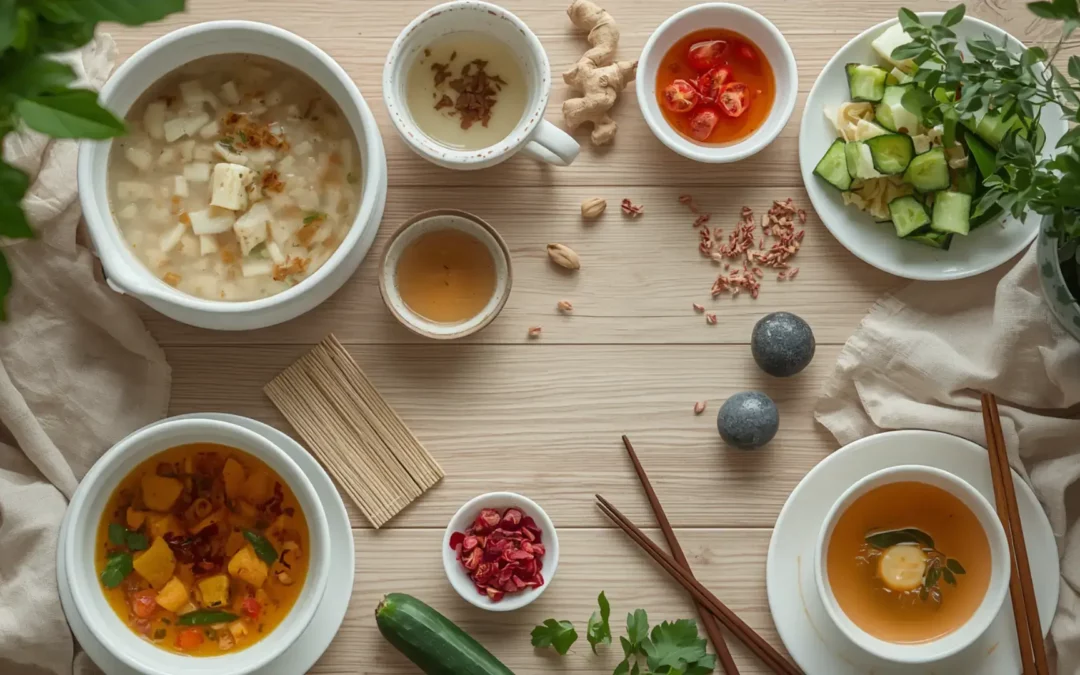
Therapeutic diet according to Chinese medicine
L'food also occupies an important place in the approach of TCM.
A suitable diet can help support energy and limit certain factors that may exacerbate digestive discomfort or fatigue.
Depending on the individual's profile, the recommendations may include:
- The regularity of meals
- The quality and digestibility of food
- Reducing excessive consumption of highly sugary or ultra-processed products
- Appropriate consumption of stimulant drinks
- The balance between nutritious foods and foods that are more difficult to digest
- Daily hydration
The goal is to adapt the diet to energy field rather than applying the same regime to all women.
Chinese herbal medicine: a personalized approach to PMS
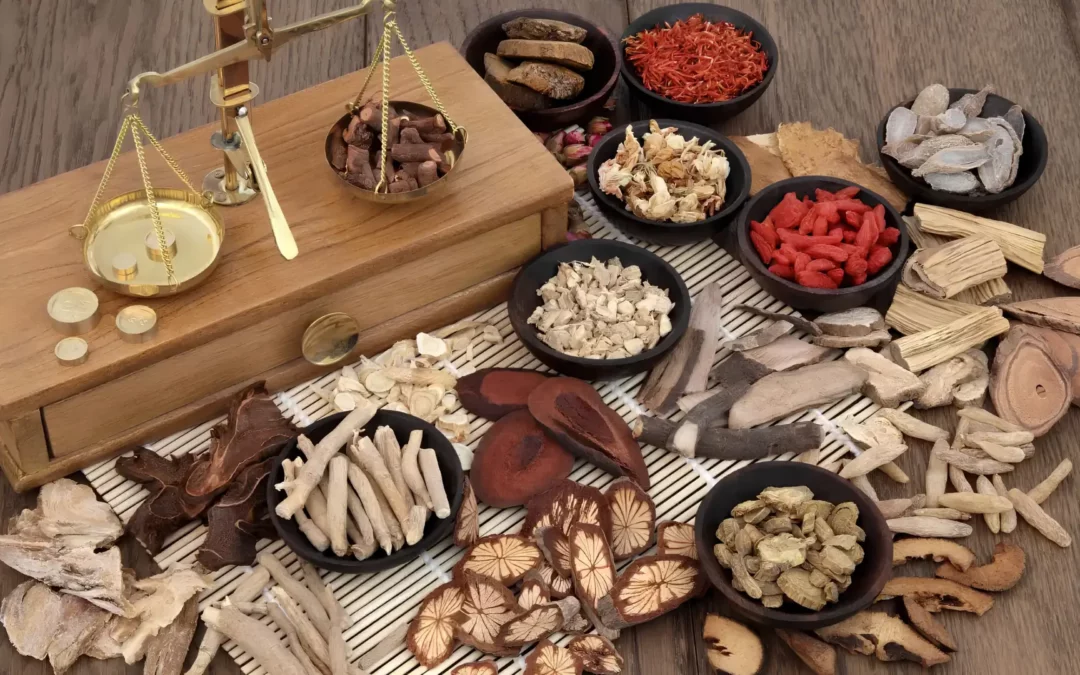
There Chinese herbal medicine can complement acupuncture in the management of premenstrual syndrome.
Traditional formulas are chosen according to the energetic terrain and the symptoms observed. They may, in particular, aim to promote the circulation of Qi, support the Blood, or harmonize certain imbalances associated with the menstrual cycle.
However, a formula of medicinal plants should not be chosen in a standardized way: in TCM, the choice depends on each person's profile.
Therapeutic Qi Gong: moving to circulate Qi
THE Therapeutic Qi Gong It can also find its place in the management of premenstrual syndrome.
Through slow movements, coordinated breathing and attention to bodily sensations, this practice aims to promote the circulation of Qi and create a state of relaxation.
Regular practice can be particularly beneficial for women who experience increased tension, stress, or fatigue as their periods approach.
Can stress worsen premenstrual symptoms?
Stress and fatigue can influence how premenstrual symptoms are experienced and may contribute to a greater sense of discomfort.
When daily life is particularly busy, sleep can deteriorate, eating habits can become less regular, and physical and emotional tension can increase.
In the holistic approach of Chinese medicine, stress management is therefore an integral part of the support provided.
Breathing exercises, relaxation, gentle physical activity, regular sleep and energy practices can complement the treatment.
Why consult a doctor for premenstrual syndrome?
There is no need to view premenstrual symptoms as an inevitable burden to be endured each month.
Consulting a doctor may be relevant when the symptoms are:
- They return regularly before menstruation
- They become more intense over the course of the cycles
- Disrupts sleep
- Affects professional or personal life
- They are accompanied by significant fatigue
- They are associated with significant pain
- Have a marked impact on mood or relationships
Regular monitoring also allows observation of the evolution of symptoms over cycles and adaptation of treatment.
When should you see a doctor?
Although traditional Chinese medicine can be a complementary approach, some symptoms require medical advice.
Severe pain, unusual bleeding, new or particularly severe symptoms, or significant psychological distress should be evaluated by a doctor.
In cases of suicidal thoughts or acute psychological distress related to menstruation, urgent medical help should be sought.
Personalized support for premenstrual syndrome in Geneva
In our center Traditional Chinese Medicine in GenevaWe offer a comprehensive approach to disorders related to the menstrual cycle.
Each woman has a different energetic constitution. This is why the assessment allows us to study the symptoms, their evolution during the cycle, lifestyle and the various imbalances that may be involved.
The support may include, depending on the needs:
- Acupuncture
- Chinese herbal medicine
- Therapeutic nutrition
- Therapeutic Qi Gong
- Acoustic and vibrational therapy
The goal is to support you towards a better balance and a better quality of life, taking into account your history and your own way of functioning.
Premenstrual syndrome doesn't have to be seen as inevitable. Personalized support can help you better understand your cycle and regain greater comfort in your daily life.
BIOMED TCM CUSTOMER REVIEWS
Over 400 ⭐⭐⭐⭐⭐ reviews on Google 🤩




Book your consultation
in traditional Chinese medicine
Lions Passage 6,
Rhône 8 Complex, Geneva
Monday to Friday: 8am-6pm
A team of expert therapists
in traditional Chinese medicine
Driven by the desire to honor the trust of each patient, our teams They are committed to providing everyone with the best advice by combining the scientific knowledge of Western medicine with that of traditional Chinese medicine. A unique concept in French-speaking Switzerland.
Lingling
SHI
Pengfei
SHI
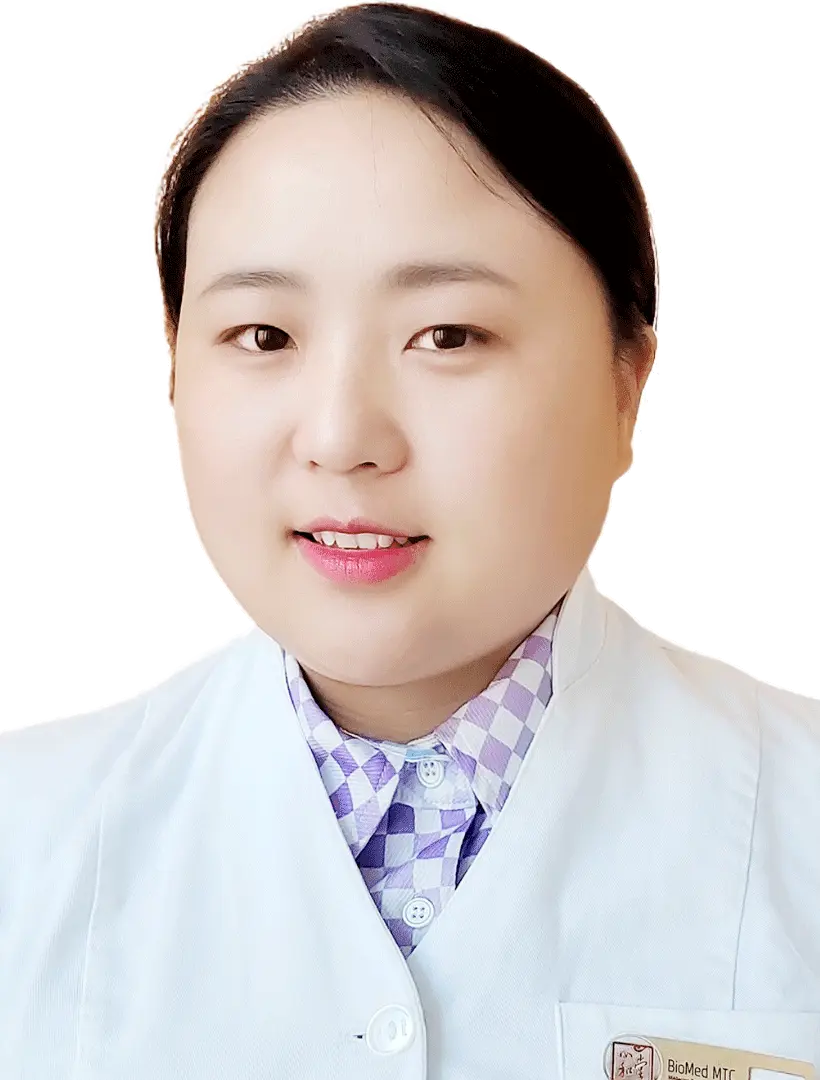
Hexiu
ZHAO
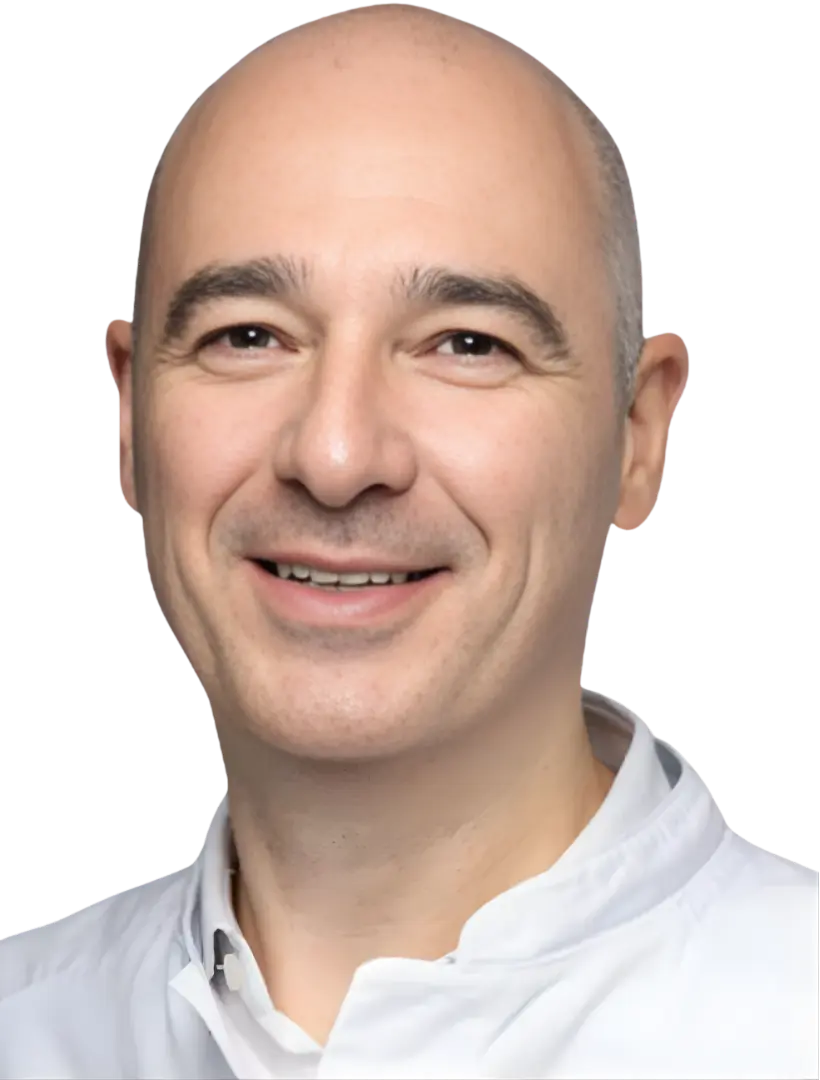
Thomas
MORILLON
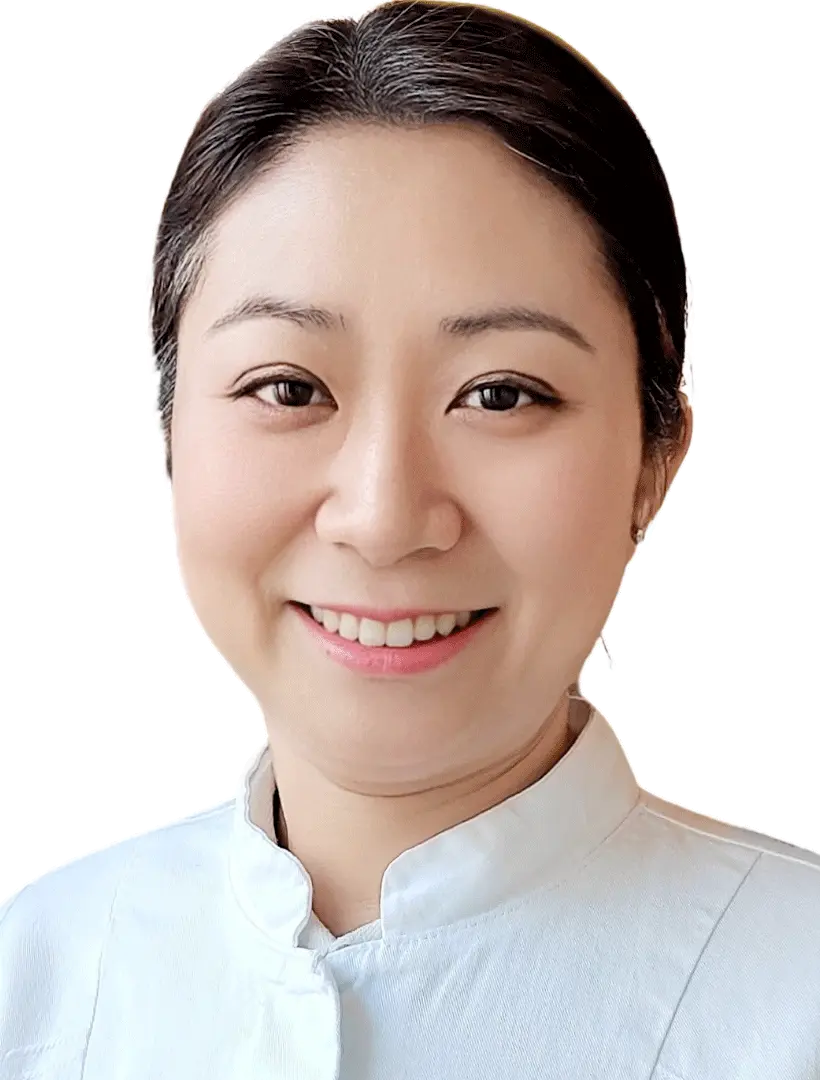
Lihua
WU
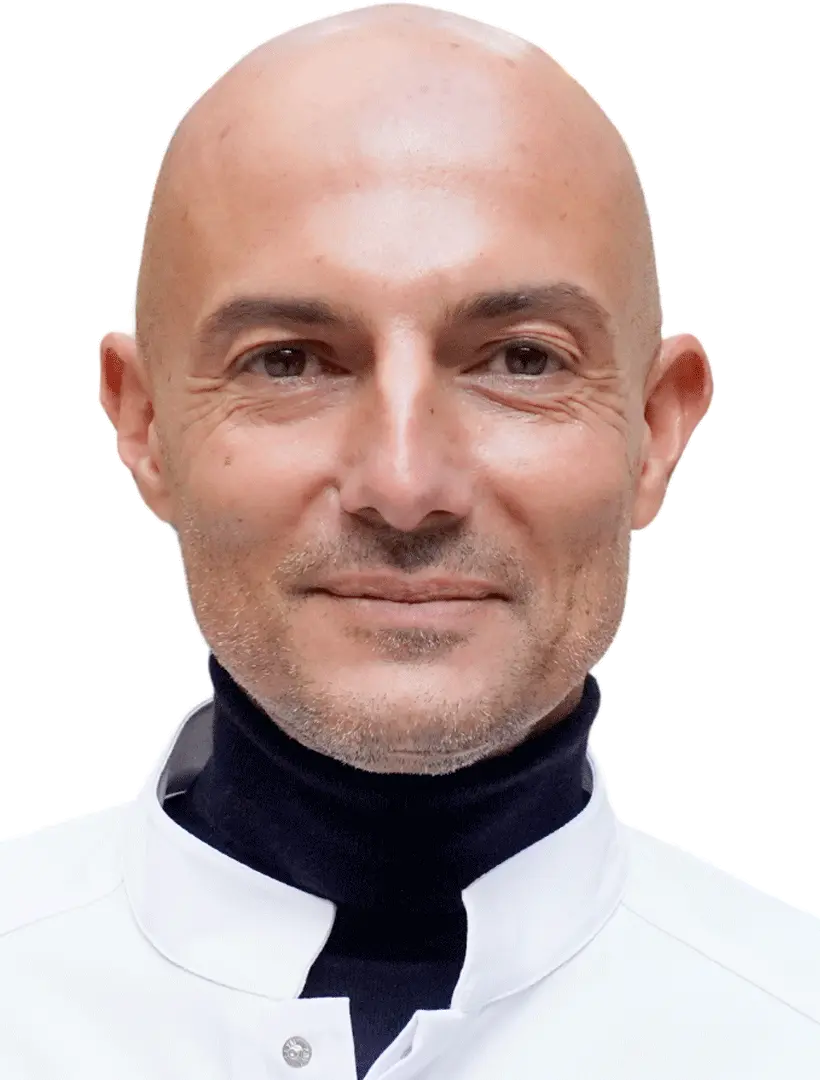
Alen
GLAVAN
Rock
HOAC

Dietberga
BACKHAUS
The center and our therapists are certified.




Together, let's take a fresh look at your health and your overall well-being.
Our therapeutic methods aim to understand and treat the cause of illnesses, in order to allow everyone to regain harmony and serenity of body and mind.
BioMed mtc in the press



Our health articles
through traditional Chinese medicine








RECEIVE 1 HEALTH TIP / MONTH

Services
Contact
Rhône 8 Complex,
Lions Passage 6,
CH-1204 Geneva